Summary:
Growing plants vertically offers a flexible and space-saving solution for cultivating greenery in urban environments or limited spaces. With the right techniques and methods, anyone can create a beautiful vertical garden. In this blog post, we'll explore the benefits of growing plants vertically, provide tips and ideas for getting started, discuss essential tools for beginners, and outline the best methods to grow a thriving vertical garden.
Benefits of Vertical Gardening:
Vertical gardens offer several advantages:
- Space-saving: They allow people to grow plants in limited spaces, such as urban environments or small balconies, where traditional gardens may not be feasible.
- Aesthetic appeal: Vertical gardens enhance the beauty of indoor or outdoor spaces, adding a green element to areas that might otherwise be dull or barren.
- Air purification: Plants in vertical gardens can help improve air quality by absorbing pollutants and releasing oxygen, creating a healthier environment.
- Therapeutic benefits: Gardening, including vertical gardening, is known to have stress-relieving and therapeutic effects, promoting mental well-being and relaxation.
- Accessibility: Vertical gardens can be easier to maintain and harvest compared to traditional gardens, especially for people with limited mobility.
- Environmental sustainability: Vertical gardens promote green spaces in urban areas, ntributing to biodiversity and mitigating the heat island effect.
Getting Started with Vertical Gardening:
For beginners, starting a vertical garden requires minimal tools and materials. Essential items include sturdy support structures such as frames or vertical planters, high-quality soil, suitable plants, and basic gardening tools like small shovels and pruning shears. Additionally, consider factors such as sunlight exposure and watering when selecting a
location for your vertical garden.
This is Why I Recommend Garden Towers for Beginners :
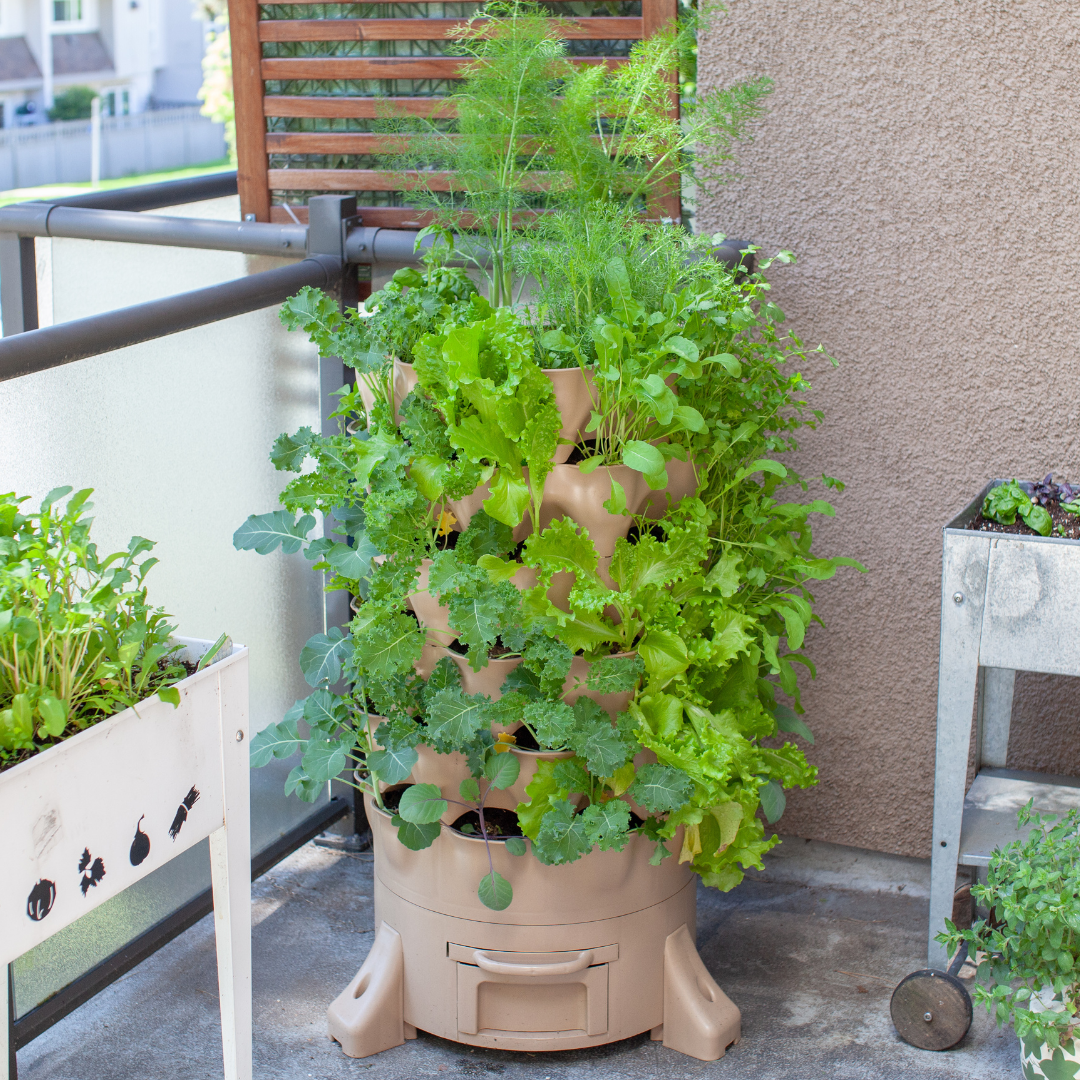
Garden towers are particularly useful for beginners due to their simplicity and efficiency. Here's why:
- Space Efficiency: Garden towers maximize vertical space, allowing beginners to grow a variety of plants in a compact area, perfect for those with limited space like apartment dwellers or small balcony owners.
- Easy Maintenance: The tiered design of garden towers makes watering, pruning, and harvesting more accessible, reducing strain on beginners who may not be accustomed to traditional gardening methods.
- Versatility: Beginners can experiment with different types of plants in a single tower, providing a learning opportunity to discover which plants thrive best in their environment without committing to multiple containers or setups.
- Visual Appeal: Garden towers create a visually striking display, adding aesthetic appeal to any indoor or outdoor space, making it an attractive option for beginners looking to enhance their surroundings.
Overall, garden towers offer a convenient and user-friendly solution for beginners venturing into vertical gardening, providing an accessible entry point into the world of growing plants vertically.
The Best Method to Grow a Vertical Garden:
To grow a successful vertical garden, follow these steps:
1. Select plants: that are suitable for vertical growth, such as trailing vines, compact herbs, or leafy greens. Consider factors like light requirements and growth habits to ensure compatibility with your vertical garden design.
2. Prepare the Support Structure: Install or assemble your vertical gardening system according to instructions. Ensure that the structure is securely anchored and can support the weight of the plants and soil.
3. Plant Carefully: Plant your chosen greenery in the designated containers or pockets of your vertical garden. Take care not to plant too densely, allowing each plant ample room to grow and thrive. Water the plants regularly, ensuring adequate moisture levels without overwatering.
4. Monitor and Maintain: Regularly check your vertical garden for signs of pests, diseases, or nutrient deficiencies. Trim plants as needed to promote healthy growth and prevent overcrowding. Adjust watering and fertilization as necessary to support optimal plant health.
5. Enjoy Your Vertical Garden: Sit back and enjoy the beauty of your vertical garden as it flourishes and transforms your space into a vibrant oasis of greenery. Experiment with different plant combinations and arrangements to create a personalized and visually stunning vertical garden display.
Additional Tips for Growing Plants Vertically:
•Incorporate vertical gardening into existing structures such as walls or fences for added versatility.
• Consider growing edible plants or herbs vertically for a convenient and sustainable source of fresh produce.
•Explore creative design ideas such as vertical herb gardens, living walls, or themed plant displays to add interest and personality to your vertical garden space.
By following these guidelines and utilizing techniques and methods for growing plants vertically, you can create a beautiful and thriving garden that enhances your living environment and brings joy and tranquility to your surroundings.