Summary :
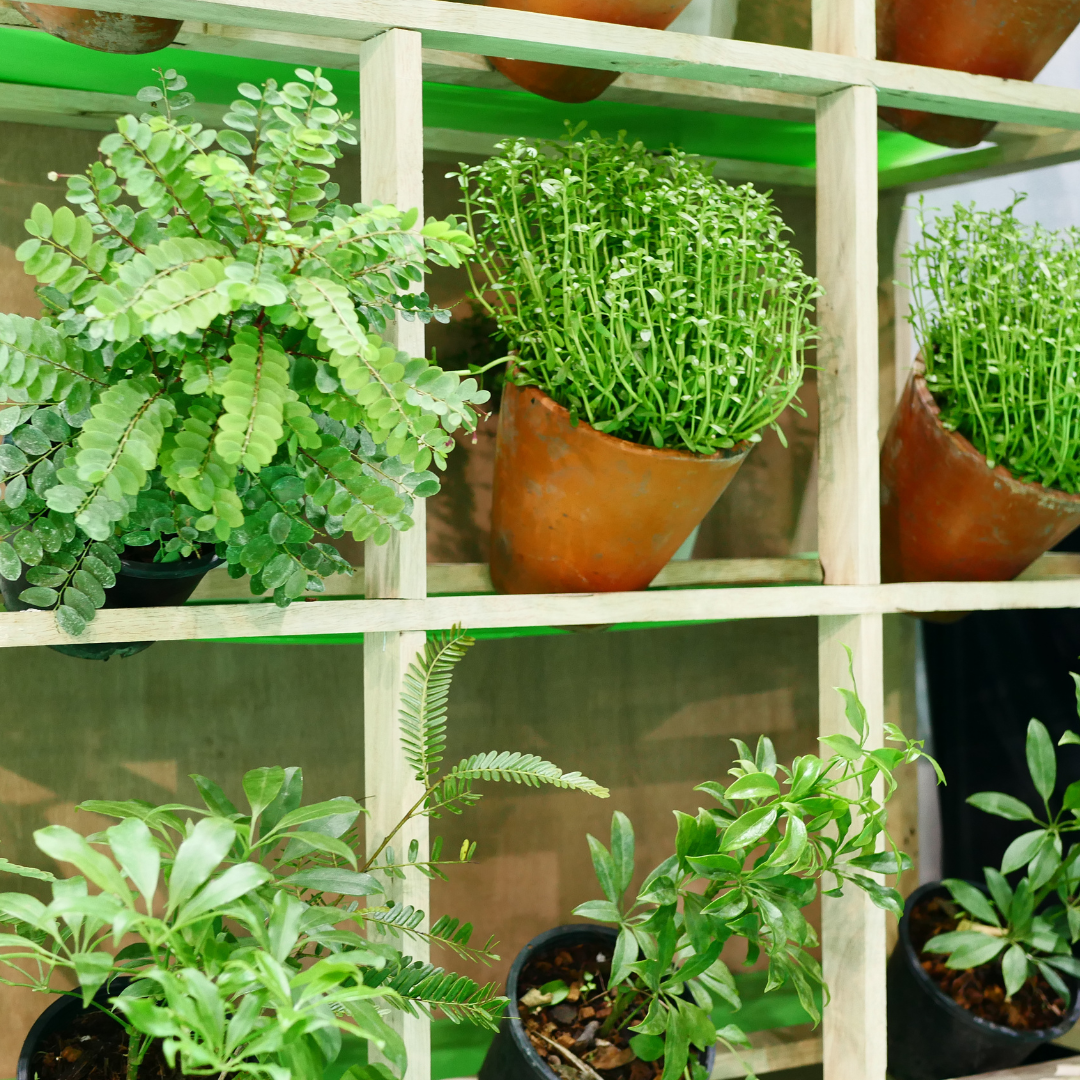
Vertical gardens offer a creative solution to hhbmaximize greenery in limited spaces while adding iaesthetic appeal to indoor and outdoor environments. In this comprehensive guide, we'll explore the key elements of designing, selecting plants, and maintaining vertical gardens to unlock their full potential.
Best 7 Plants for Vertical Gardens:
1. Pothos (Epipremnum aureum):
Pothos is a versatile and resilient plant that thrives in a variety of light conditions, making it an excellent choice for vertical gardens. Its heart-shaped leaves come in various shades of green, with some cultivars featuring variegated patterns.
Benefits:
- Air-purifying qualities, removing toxins like formaldehyde and benzene from indoor air.
- Versatility in light conditions, thriving in various environments.
- Adding dimension to vertical arrangements with its trailing vines.
2. Spider Plant (Chlorophytum comosum):
Spider plants are prized for their air-purifying properties and ease of care, making them ideal for vertical gardens. Their arching foliage and spider-like plantlets create a visually striking display, especially when cascading down from elevated planters or hanging baskets.
benefits:
- Air-purifying properties, removing pollutants like formaldehyde and xylene from indoor air.
- Ease of care, making them ideal for vertical gardens.
- Visually striking display with arching foliage and spider-like plantlets.
3. Ferns:
Ferns, such as the Boston fern or maidenhair fern, are classic choices for shady vertical gardens due to their lush and feathery foliage. They thrive in low-light conditions and prefer consistently moist soil, making them perfect for creating green walls in areas with limited sunlight.
benefits:
- Lush and feathery foliage providing texture and visual interest.
- Thriving in low-light conditions and maintaining consistently moist soil.
- Natural air purifiers, absorbing pollutants and increasing humidity levels indoors.
4. Snake Plant (Sansevieria):
Snake plants are renowned for their resilience and ability to thrive in low-light conditions, making them well-suited for vertical gardens. Their upright growth habit and architectural foliage add structure and visual interest to any vertical arrangement.
benefits:
- Ability to thrive in low-light conditions and resilience.
- Excellent air purifiers, removing toxins like formaldehyde and benzene.
- Minimal maintenance requirements and drought tolerance.
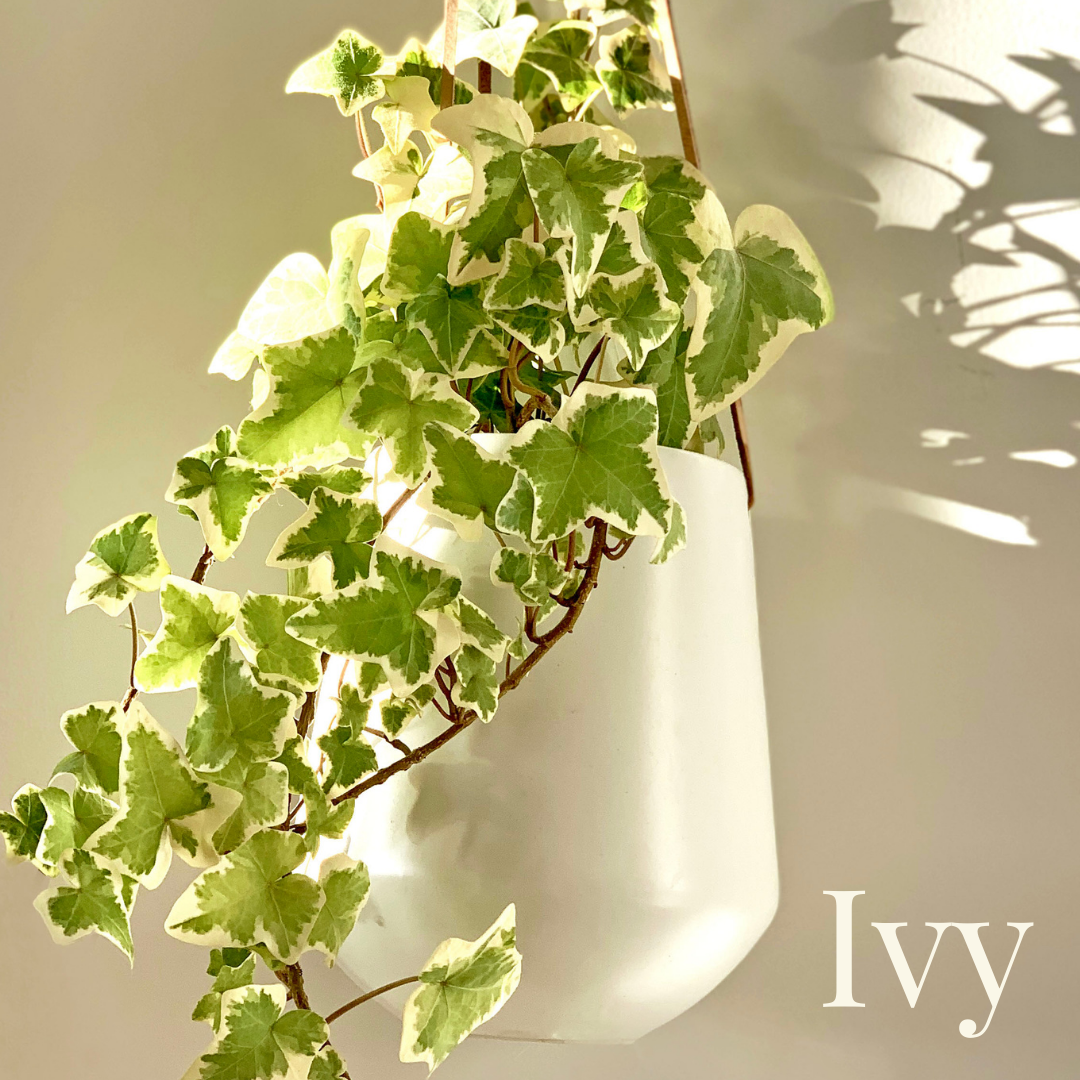
5. Ivy (Hedera spp.):
Ivy varieties like English ivy or Algerian ivy are vigorous climbers that can quickly cover vertical surfaces with their dense foliage. They are adaptable to different light conditions and can tolerate shade, making them versatile options for vertical gardens. Ivy plants provide year-round interest with their evergreen foliage.
benefits:
- Vigorous climbers quickly covering vertical surfaces.
- Evergreen foliage providing year-round interest.
- Natural air filters, reducing airborne pollutants and allergens, and helping regulate indoor temperatures.
6. Succulents:
Succulents are well-suited for vertical gardens due to their water-retaining abilities and diverse forms. Varieties such as Echeveria, Sedum, or Crassula come in a wide range of shapes, sizes, and colors, adding texture and interest to vertical arrangements.
benefits:
- Water-retaining abilities and diverse forms.
- Low-maintenance plants thriving in sunny locations with well-draining soil.
- Adding texture and interest to vertical arrangements with a wide range of shapes, sizes, and colors.
7. Herbs:
Herbs like mint, basil, or thyme are not only culinary staples but also decorative additions to vertical gardens. Their aromatic foliage and culinary uses make them a practical and appealing choice for both indoor and outdoor vertical plantings.
benefits:
- Aromatic foliage and culinary uses, practical and appealing additions to vertical gardens
- Thriving in sunny locations with regular watering.
- Attracting beneficial insects and pollinators, promoting biodiversity in vertical garden environments.
By incorporating these diverse plant selections into your vertical garden design, you can create a vibrant and dynamic living wall that enhances your living or working environment while providing numerous benefits for your health and well-being.
Maintenance:
Maintaining a vertical garden is essential to ensure its longevity and the health of its plant inhabitants. Regular care and attention are necessary to address the unique challenges that vertical gardens face, such as limited root space, potential moisture imbalances, and plant overcrowding. Here's an in-depth look at the key aspects of maintaining a thriving vertical garden:
1. Watering:
Proper watering is crucial for the health of plants in a vertical garden. Unlike traditional gardens, vertical gardens may experience uneven water distribution due to gravity. It's essential to monitor moisture levels regularly and adjust watering frequency accordingly. Automated irrigation systems or self-watering containers can help maintain consistent moisture levels and prevent water runoff.
2. Pruning and Trimming:
Pruning and trimming are vital tasks in vertical garden maintenance to promote healthy growth and prevent overcrowding. Regularly remove dead or yellowing leaves, as well as any overgrown or tangled foliage. Pruning encourages new growth, improves air circulation, and prevents the spread of diseases and pests within the garden.
3. Fertilizing:
Vertical gardens often have limited access to nutrients compared to traditional gardens, as the soil volume is smaller. Regular fertilization is essential to replenish nutrients and support vigorous growth. Choose a balanced fertilizer formulated for container or vertical gardens and apply it according to the manufacturer's instructions. Organic fertilizers or slow-release formulations are ideal for providing a steady supply of nutrients over time.
4. Pest and Disease Management:
Vertical gardens are susceptible to pests and diseases, just like traditional gardens. Common pests include aphids, spider mites, and whiteflies, which can damage plants and reduce their vitality. Monitor plants regularly for signs of pests or disease, such as discolored leaves or unusual spots. Use natural or organic pest control methods, such as insecticidal soap or neem oil, to treat infestations while minimizing harm to beneficial insects and wildlife.
5. Light and Temperature Regulation: P
roper light exposure is essential for plant health and growth in vertical gardens. Monitor light levels throughout the day and adjust plant placement as needed to ensure optimal conditions for each species. Some plants may require more sunlight, while others thrive in shade or indirect light. Additionally, be mindful of temperature fluctuations, especially in indoor vertical gardens, and provide adequate ventilation to prevent heat stress or humidity buildup.
By implementing these maintenance practices and staying proactive in caring for your vertical garden, you can create a vibrant and thriving green space that enhances your living or working environment. With attention to detail and a bit of TLC, your vertical garden will continue to flourish and delight for years to come.
Best Plants to Grow Indoors in Shade:
For indoor spaces with limited natural light, there are several shade-tolerant plants that thrive in low-light conditions. These plants not only add greenery to your indoor environment but also offer various benefits for health and well-being. Here are some top choices:
1. Peace Lily (Spathiphyllum):
Peace lilies are renowned for their elegant white flowers and lush, dark green foliage, making them a popular choice for indoor environments. They are highly adaptable to low-light conditions and can tolerate shade well, making them ideal for offices, bedrooms, or bathrooms with limited sunlight.
Benefits:
- Air-purifying qualities: Removes toxins like formaldehyde, benzene, and carbon monoxide from indoor air, improving air quality.
- Elegant appearance: Dark green foliage and elegant white flowers add aesthetic appeal to indoor spaces.
2. ZZ Plant (Zamioculcas zamiifolia):
The ZZ plant is prized for its glossy, dark green leaves and its ability to thrive in low-light conditions, making it an excellent choice for indoor spaces with minimal natural light. It is incredibly resilient and requires minimal maintenance, making it perfect for busy households or offices.
Benefits:
- Low maintenance: Requires minimal care and attention, making it perfect for busy households or offices.
- Air purification: Filters out toxins like xylene, toluene, and benzene from indoor air, contributing to a cleaner and healthier indoor environment.
3. Cast Iron Plant (Aspidistra elatior):
As its name suggests, the cast iron plant is incredibly tough and resilient, making it an excellent choice for low-light indoor environments. Its dark green, lance-shaped leaves add texture and visual interest to indoor spaces while requiring minimal care.
Benefits:
- Durability: Tough and resilient plant that can withstand neglect and thrive in low-light conditions.
- Air purification: Filters pollutants and toxins from indoor air, promoting a healthier living environment.
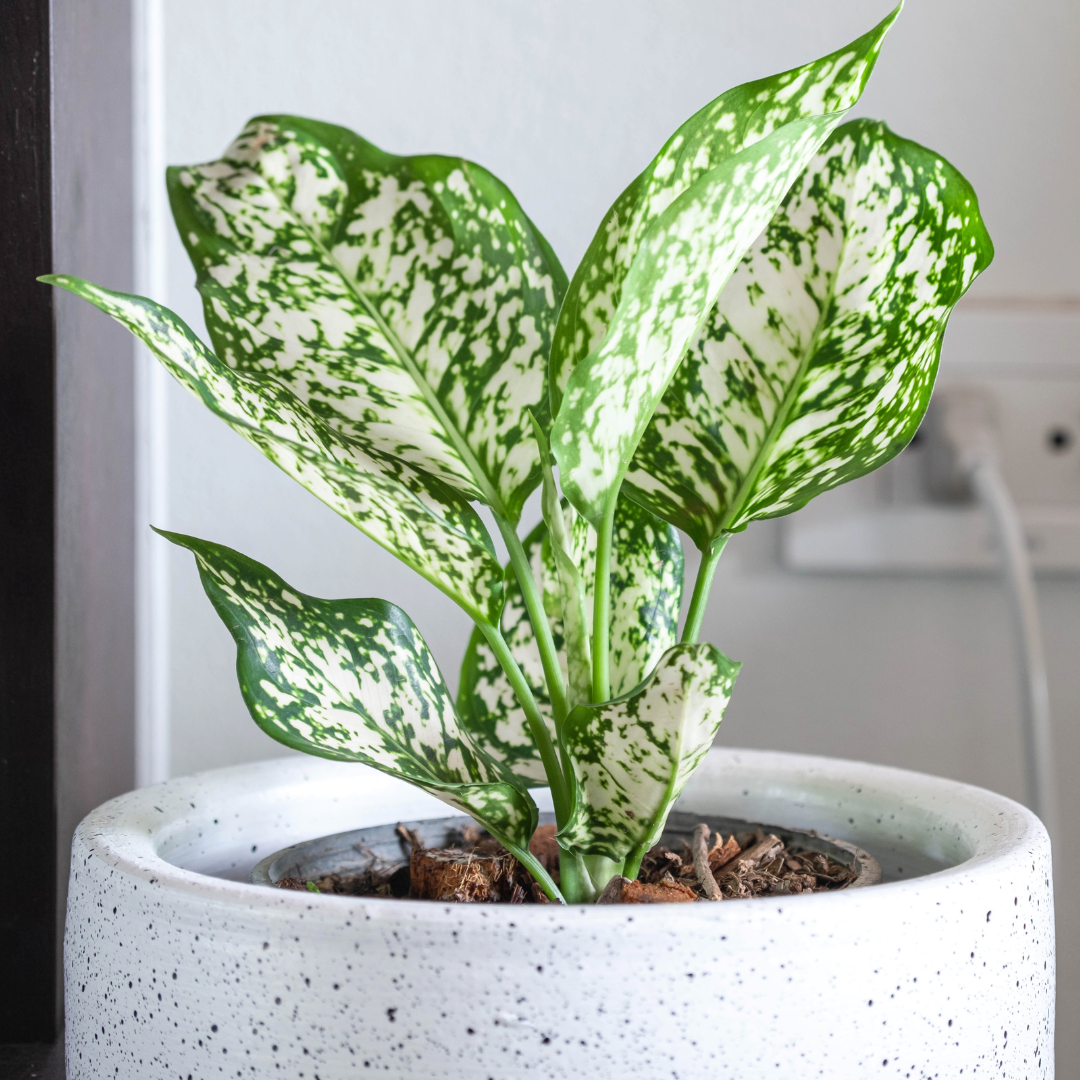
4. Chinese Evergreen (Aglaonema):
Chinese evergreens are prized for their attractive foliage and their ability to thrive in low-light conditions, making them popular choices for indoor spaces with limited sunlight. They come in a variety of cultivars with different leaf colors and patterns, adding visual interest to indoor arrangements.
Benefits:
- Varied cultivars: Comes in a variety of leaf colors and patterns, adding visual interest to indoor spaces.
- Air-purifying qualities: Removes toxins like formaldehyde and benzene from indoor air, improving air quality.
5. Parlor Palm (Chamaedorea elegans):
Parlor palms are versatile and easy-to-care-for plants that thrive in low-light conditions, making them perfect for indoor spaces with minimal natural light. Their delicate, feathery fronds add a touch of tropical elegance to indoor environments while requiring minimal maintenance.
Benefits:
- Tropical elegance: Delicate, feathery fronds add a touch of tropical beauty to indoor environments.
- Air purification: Removes pollutants like formaldehyde, benzene, and carbon monoxide from indoor air, promoting a healthier living environment.
By incorporating these shade-tolerant plants into your indoor spaces, you can enjoy the benefits of greenery and improve the air quality while enhancing the aesthetics of your home or office environment. With their resilience and low-maintenance nature, these plants are perfect for anyone looking to bring a touch of nature indoors, even in spaces with limited natural light.
In conclusion,
vertical gardens offer a versatile solution for maximizing greenery in both indoor and outdoor spaces. By carefully selecting the right plants, such as pothos, spider plants, ferns, snake plants, ivy, succulents, and herbs, individuals can create stunning vertical arrangements that not only enhance the aesthetics of their surroundings but also provide numerous benefits for health and well-being. These plants not only thrive in vertical environments but also offer air-purifying qualities, improve air quality, and promote a healthier living or working environment. Additionally, incorporating shade-tolerant plants like peace lilies, ZZ plants, cast iron plants, Chinese evergreens, and parlor palms into indoor spaces with limited natural light can further enhance the beauty and functionality of interior environments. With proper maintenance and care, vertical gardens can flourish and continue to delight for years to come, bringing the beauty of nature closer to home while improving the quality of life for those who enjoy them.